
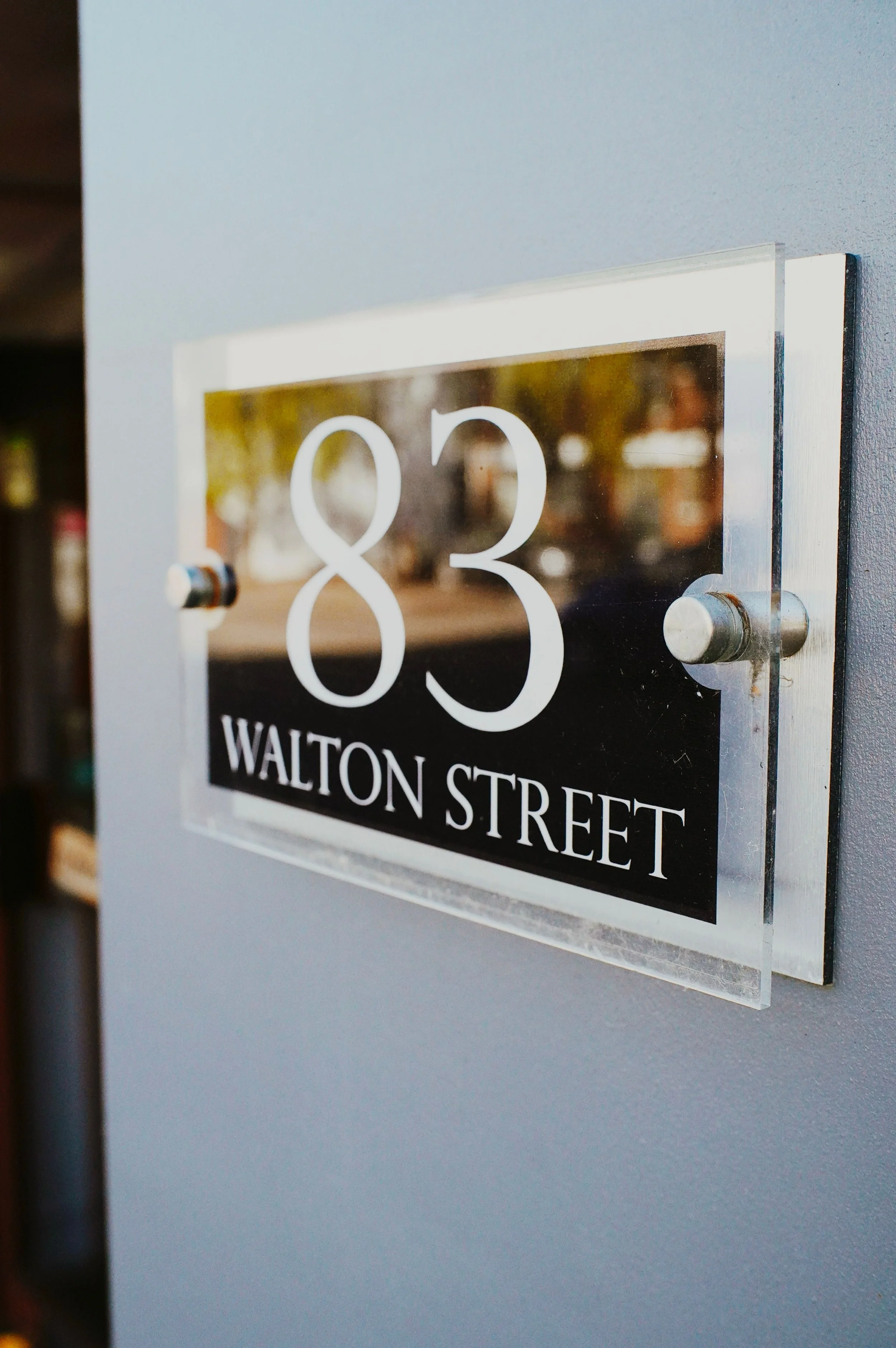
Acrylic is a popular material for commercial signage due to its clean, professional appearance, lightweight construction, and flexible fabrication options. This material is commonly found in indoor and outdoor wayfinding and promotional signage. According to the Outdoor Media Association, Australia’s out-of-home advertising net revenue increased by 8.07% in 2024.
As businesses invest to boost their brand visibility, choosing the right thickness for acrylic signage becomes more important. However, choosing an acrylic sheet based solely on price or appearance can lead to mounting difficulties or premature wear. In this article, it will keep you guided on selecting the right signage thickness that meets your needs.
Understanding Acrylic Sheet Thickness in Signage
Acrylic sheet thickness refers to the material's depth, measured in millimetres (mm). The varied thickness of acrylic suits different sign sizes, fabrication methods, and installation environments.
Common options for acrylic signage thickness in the market include:
2–3 mm: Suitable for lightweight decorations, small displays, and flat-mounted panels.
4–5 mm: Practical option for general indoor signage, displays, and smaller retail signs.
6–8 mm: Durable for larger panels, dimensional lettering, and custom installations.
10 mm and above: Works well for substantial architectural features and premium signage applications.
These measurements provide general guidance for practical applications. Its dimensions, support structure, and installation conditions all determine the appropriate thickness.
5 Factors in Choosing the Thickness of Acrylic Signage
A sign's thickness affects more than its dimensions. Before finalising your material selection, consider these five factors when choosing an acrylic signage for your business:
Signage Size and Structural Rigidity
Larger acrylic panels generally need greater thickness and additional support to prevent cracking or warping. For example, a wide wall-mounted panel may require 6–8 mm material or a supporting frame. Unsupported spans also influence rigidity.
Durability and Expected Usage
Thicker acrylic offers greater stiffness and resistance to bending under comparable conditions, making it useful for signs in busy commercial environments. However, it does not prevent scratches or guarantee impact resistance. That said, a PMMA standard material grade and fabrication quality matter for company acrylic signs.
Visual Appearance and Design Requirements
The material's depth influences the finished sign's appearance. In particular, thicker sheets create more substantial edges and pronounced dimensional effects. This makes them suitable for any acrylic business sign that features raised logos or layered lettering. Meanwhile, thinner sheets offer a sleek, minimalist finish for contemporary interiors.
Mounting and Installation Requirements
Acrylic thickness affects sign weight, installation methods, and support requirements. Direct wall mounting may suit smaller panels, while stand-off fittings, frames, or suspended supports may work better for larger installations. To reduce stress around mounting holes, always account for thermal movement and use appropriate fixings.
Indoor vs. Outdoor Installation Conditions
Indoor signs generally face fewer environmental stresses than exterior installations. Outdoor applications account for UV exposure, temperature fluctuations, moisture, and wind loading. Hence, you should choose UV-stable materials, suitable finishes, and secure mounting systems. Effective signage design considers these conditions alongside sheet thickness.
Get Customised Acrylic Signage for Your Business
Selecting the right thickness of an acrylic signage requires balancing appearance, rigidity, durability, and installation conditions. So, instead of choosing the default thickness of the sheet, consider how the sign will function within its intended commercial environment.
At Artcom Fabrication, you get custom acrylic signage designed around your business requirements, installation environment, and branding goals. As a trusted signage shop in Perth, our fabrication expertise helps ensure every sign meets your project's functional and aesthetic needs. For professional signage solutions, get in touch with us today!
Frequently Asked Questions (FAQs)
Here are answers to commonly asked questions about acrylic signage:
Can acrylic signs be used outdoors?
Yes, acrylic signs can withstand outdoor conditions when manufacturers use suitable UV-stable materials and protective finishes. Proper mounting also helps them resist wind, moisture, and Australian temperature changes.
Can acrylic signage be customised with different colours and finishes?
Yes, acrylic signage is available in various colours, transparencies, and finishes, including clear, frosted, and opaque options. Businesses can customise signage strategy to match their branding and design requirements.
Is thicker acrylic always more expensive?
Generally, thicker acrylic costs more because it requires additional material. However, fabrication complexity, finishing, and installation requirements also affect the overall cost.